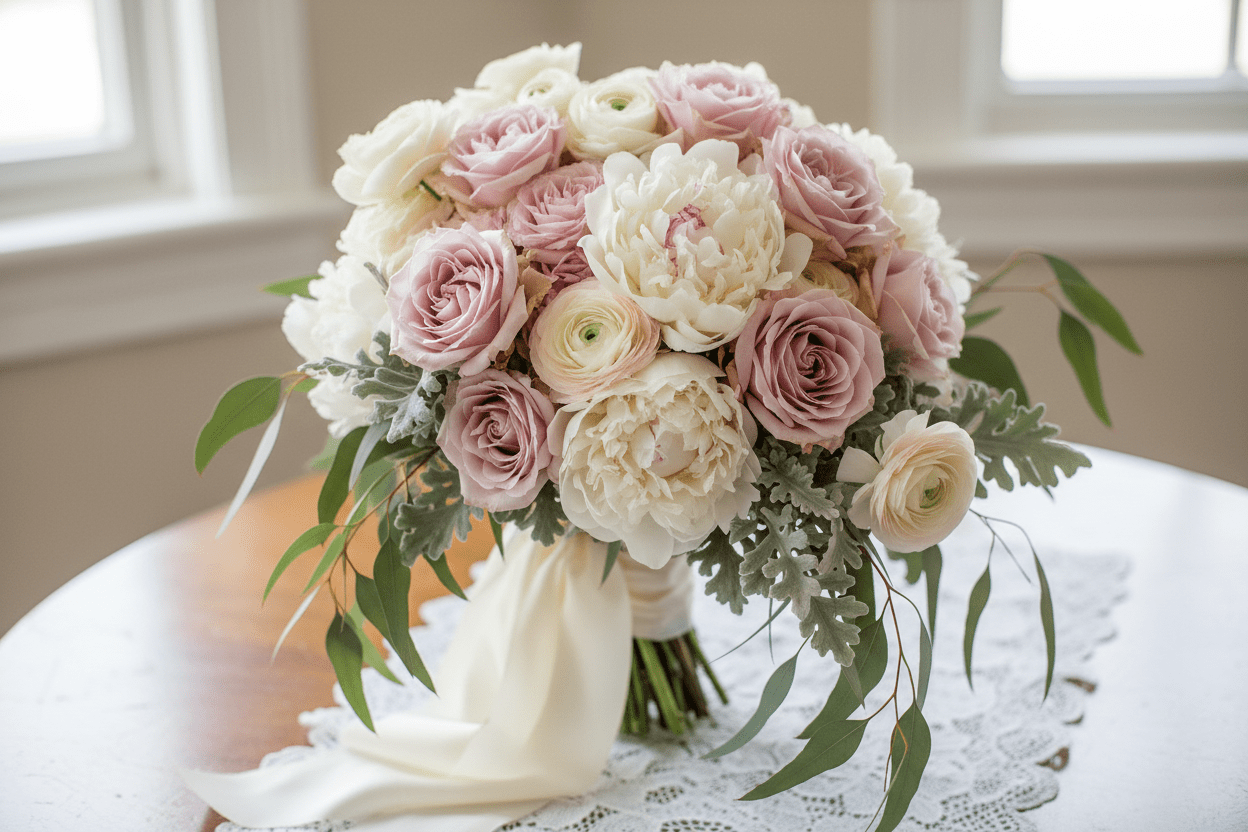
Article: How to Care for Fresh Cut Flowers
How to Care for Fresh Cut Flowers
There's nothing quite like a beautiful bouquet of fresh cut flowers to brighten a room and lift your spirits. Whether you've received a stunning arrangement from Wilde Ivy or picked up blooms from your local market, knowing how to care for your flowers properly will help them last as long as possible. Follow these simple tips to keep your fresh cut flowers looking their very best.
1. Trim the Stems Before Placing in Water
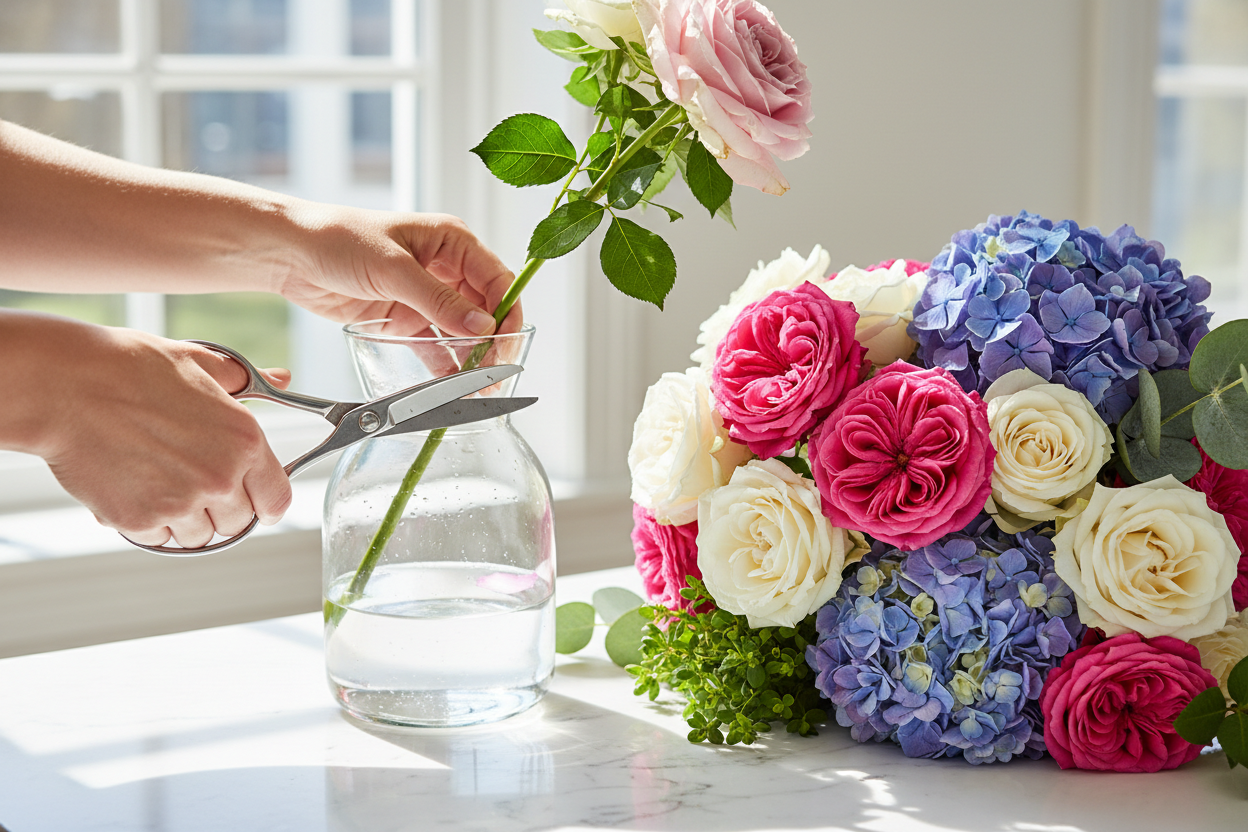
As soon as you receive your flowers, trim at least 2–3 cm from the bottom of each stem at a 45-degree angle. This increases the surface area for water absorption and prevents the stems from sitting flat on the bottom of the vase, which can block water uptake. Use sharp scissors or a clean knife, and avoid crushing the stems.
Pro tip: Trim your stems under running water or while submerged in water to prevent air bubbles from entering the stem and blocking hydration.
2. Use a Clean Vase
Bacteria are the number one enemy of fresh cut flowers. Always start with a thoroughly cleaned vase — wash it with warm soapy water and rinse well before use. Bacteria in a dirty vase will multiply quickly and clog the stems, dramatically shortening the life of your blooms.
3. Add Fresh, Cool Water
Fill your vase with fresh, cool water. Most cut flowers prefer cool to room-temperature water, which slows bacterial growth and keeps the blooms hydrated. Avoid using warm or hot water unless you're specifically trying to encourage tight buds to open more quickly.
4. Use Flower Food
Most bouquets come with a small sachet of flower food — use it! Flower food contains three key ingredients: sugar to feed the flowers, an acidifier to help water travel up the stems, and a biocide to inhibit bacterial growth. If you don't have flower food, you can make your own by adding a teaspoon of sugar, a few drops of bleach, and a splash of lemon juice to your vase water.
5. Remove Leaves Below the Waterline
Any leaves sitting below the waterline will rot quickly, encouraging bacterial growth that will shorten the life of your flowers. Before placing your stems in the vase, remove all foliage that would be submerged in water. Keep the leaves above the waterline intact as they help the arrangement look full and lush.
6. Find the Right Location
Where you place your flowers makes a big difference to how long they last. Keep your arrangement away from:
- Direct sunlight – Heat speeds up the ageing process.
- Heating and cooling vents – Drafts and dry air cause flowers to dehydrate quickly.
- Ripening fruit – Fruit releases ethylene gas, which causes flowers to age prematurely.
- Windowsills in summer – Even indirect heat from a warm window can shorten vase life.
The ideal spot is a cool room with good air circulation and indirect light.
7. Change the Water Every Two Days
Fresh water is essential for keeping your flowers healthy. Change the water in your vase every two days, and give the vase a quick rinse each time to remove any bacterial build-up. When you change the water, take the opportunity to re-trim the stems by another centimetre to keep water uptake flowing freely.
8. Mist Your Flowers
Some flowers, particularly those with delicate petals like hydrangeas and roses, benefit from a light misting with water. Use a fine spray bottle to lightly mist the petals once a day, especially in warmer or drier conditions. This helps keep the blooms hydrated and looking fresh.
9. Remove Wilting Flowers Promptly
As individual flowers begin to wilt or die, remove them from the arrangement straight away. Dying flowers release ethylene gas and encourage bacterial growth, which will cause the remaining blooms to deteriorate more quickly. Removing spent flowers also keeps your arrangement looking beautiful for longer.
10. Refrigerate Overnight
If you want to go the extra mile, place your flowers in the refrigerator overnight. Florists store their flowers in cool rooms for a reason — the cold temperature dramatically slows the ageing process. Just make sure there's no fruit in the fridge alongside your flowers, and keep them away from the coldest parts to avoid frost damage.
How Long Do Fresh Cut Flowers Last?
With proper care, most fresh cut flowers will last between 7 and 14 days. Some varieties, like chrysanthemums, carnations, and alstroemeria, can last up to three weeks with the right care. More delicate blooms like sweet peas, poppies, and gardenias tend to have a shorter vase life of around 4 to 7 days.
Caring for Specific Flower Types
Different flowers have different needs. Here are a few tips for some popular varieties:
- Roses: Re-cut stems daily and keep in deep water. Remove guard petals (the outer petals) if they look damaged.
- Tulips: Tulips continue to grow after cutting. Keep them in a tall vase with cool water and they'll last up to a week.
- Hydrangeas: These thirsty blooms need plenty of water. If they wilt, submerge the entire flower head in cool water for 30 minutes to revive them.
- Sunflowers: Change water daily and keep away from direct sunlight to prevent wilting.
- Peonies: If buds are tight, place in warm water in a warm room to encourage opening. Once open, move to a cooler spot.
Order Fresh Flowers from Wilde Ivy
At Wilde Ivy, we take pride in sourcing the freshest, highest-quality seasonal blooms for every arrangement we create. Whether you're ordering a birthday bouquet, wedding flowers, or a special gift for someone in the Blue Mountains, our flowers are carefully selected and expertly arranged to give you the longest possible vase life.
With delivery across the Blue Mountains region — including Katoomba, Leura, Springwood, Blackheath, Lithgow, and beyond — we make it easy to bring the beauty of fresh flowers to your door. Find your location and get in touch with us today.